
Congressman Daniel Webster’s decision to vote in favor of a GOP health care bill, helped push it to victory Thursday in the U.S. House of Representatives.
The bill passed by a vote of 217 to 213.
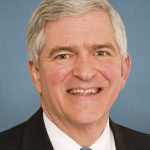
Webster, a Clermont Republican who represents The Villages, had been a holdout in March. His decision earlier this year helped doom that version of the Republican health care bill and was seen as a blow to the Trump Administration and to House Speaker Paul Ryan.
“Today, I voted to end the nightmare that has been the [un]Affordable Care Act (ACA) and to provide Americans with the care they need, at a price they can afford, from the doctor they choose. For six years, I have been an advocate for repealing the failed Obamacare and replacing it with real healthcare reform. ACA has is collapsing across the country – currently 4.7 million people are without an insurer,” Webster said in a statement released immediately after the bill’s passage.
Webster had received assurances from President Trump and others that his concerns about Florida’s Medicaid-funded nursing home beds would be addressed.
Webster took to the House floor to lay out his concerns:
“President Trump, Vice President Pence, Center for Medicaid Services and House leadership have committed to find a solution to ensure Florida is equipped to serve one of our most vulnerable,” Webster said.
More about recent healthcare bills passed by the House:
· Lowers administrative costs for small businesses who seek to provide health insurance for their employees.
· Allows small business owners to join association health plans and thus lower their and their employees’ health care costs.
· Maintains protections for those with pre-existing conditions and prohibition against insurers turning away patients when they renew their plans simply because they may be sick. More information on pre-existing conditions policy is here.
· Allows dependents up to age 26 to stay on their parent’s plan.
· Eliminates the individual and employer mandate penalties and medical device tax
· Repeals Obamacare subsidies this year
· Reduces qualifying income threshold from 10 percent to 5.8% which is lower than the pre-Obamacare level.
· Doubles the amount of tax-free money individuals can contribute to their Health Savings Accounts (HSAs).
· Empowers states to convert their Medicaid program to a block grant and establish work-requirements.
· Subjects health insurance issuers to same laws which prohibit unfair trade practices, including laws that prohibit price fixing, collusion or market allocations to the detriment of consumers.