
His life began in an Indian village in the remote jungles of Bolivia.
Today this Villager helps a major pharmaceutical company develop new medicines. That journey had many twists and turns.
James Gill’s parents, Leonard and Elsie Gill, were missionaries with New Tribes Mission (now known as Ethnos360) back in the early 1960’s, assigned to a remote area of the Bolivian Amazonian jungle near the border with Brazil. The mission focused on native groups that do not have a translation of the Bible. Missionaries were sent to learn the language and culture with the aim of creating a written version of the language and establish Christian churches. In addition, they provided medical and health services.
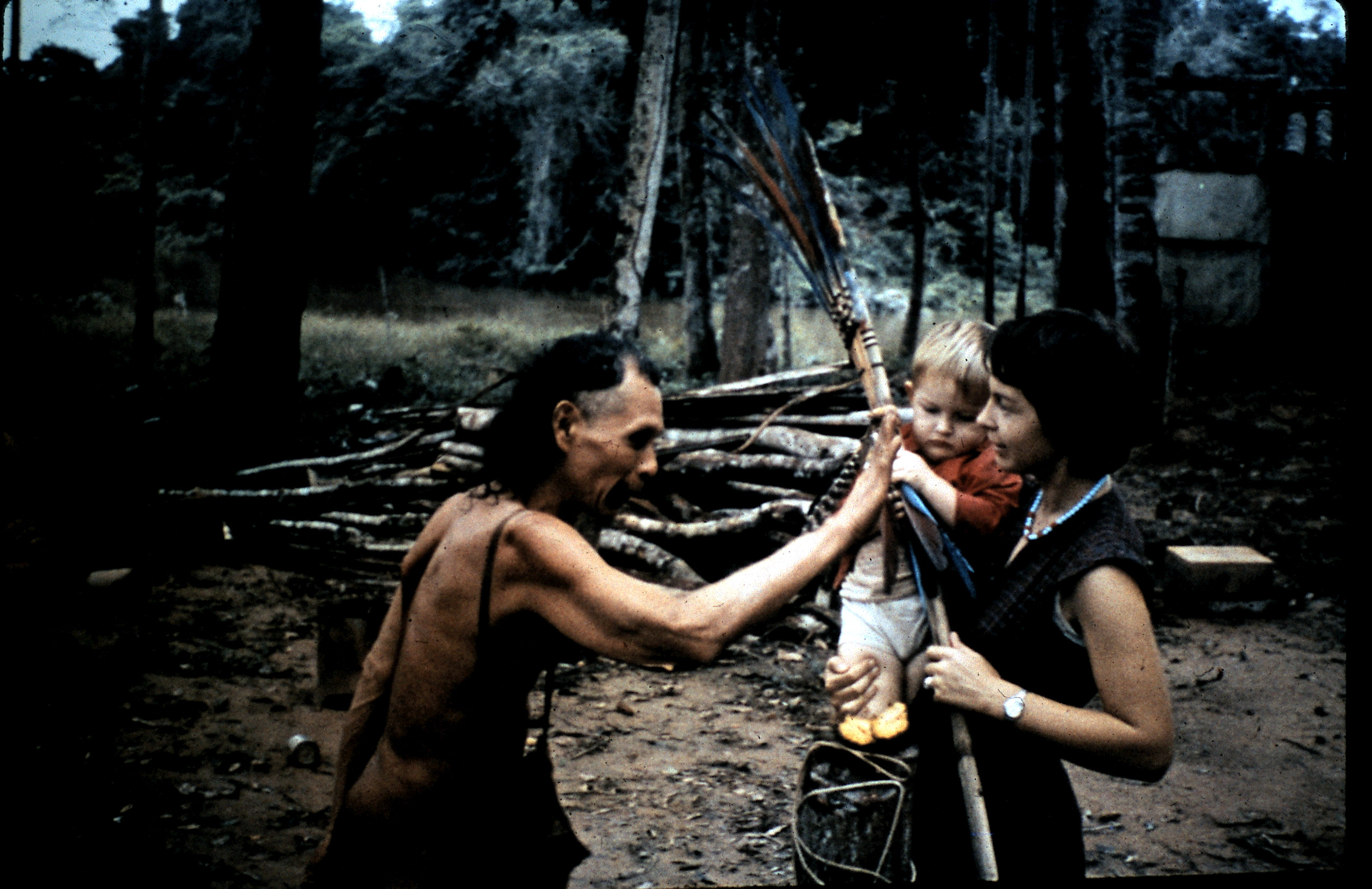
It could be a dangerous life. Several NTM missionaries have been abducted and killed over the years.
“The strategy was that the missionaries would take their families with them to show that they were there to help, not to cause problems,” James explained.
James was born when his parents were stationed in the mountains of western Bolivia. Six weeks later they were transferred to an “uncontacted Indian” settlement in the northern part of the country. James’ family spent his first five years with the Araona Indians, a very small tribe of about 30 members.
“I don’t remember much about that time,” James says. “Most of my memories come from the years after that spent with the Tsimane Indians.”
“The New Tribes Mission personnel were welcomed to Bolivia by the government,” James noted. “The nationals were looking for logging opportunities and the local tribes were in their way.”
Sometimes the indigenous people were killed for their land. They also had a low tolerance for alcohol and could be taken advantage of when drunk.
The Tsimane were a larger group with several settlements. Subsistence farmers, they practiced ‘slash-and-burn’ farming, cutting the forest for new fields when the current ones lost fertility.
The elder Gills began to learn the language and dispense medical care.
“Intestinal worms and leishmaniasis (a parasitic disease that caused open sores and often death) were endemic. My parents had medicines for both.”
It was sometimes difficult to treat the Indians.
“They tended to stop treatment when they began to feel better, but before it was completed. The diseases often returned.”
A Wikipedia entry notes that in 1980, Wayne Gill was credited with creating the first Tsimane written language using a combination of Spanish alphabet and special characters.
“Wayne is my uncle and often worked closely with my father,” James explains.
It is widely used in publications and is taught in Tsimane schools.

The life in Indian villages was not without dangers, especially for children alone. James remembers one occasion when he was about five years old. He was dispatched by his parents to carry a message through the jungle to the next village, a 45-minute walk away. “It was dark and I knew the way so I wasn’t afraid of taking the wrong path. But the whole time I was imagining a jaguar or some other animal jumping out and grabbing me. I was really scared.”
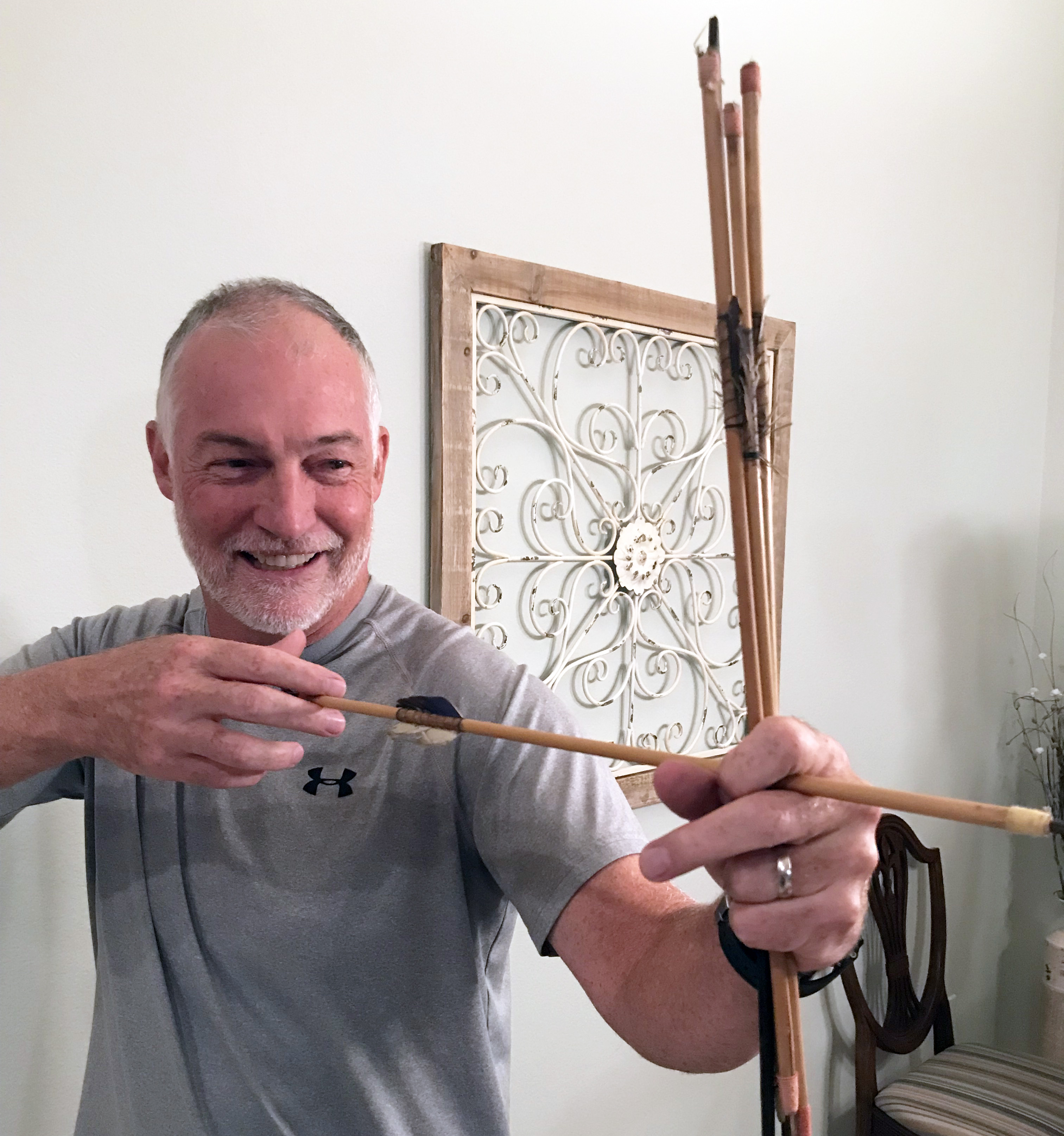
Although the Gill family returned to the U.S. for a short visit every few years, James primarily remembers his life as one playing with the Indian children, living in the jungle and attending school. “I loved it at the time,” he says. “We practiced with our bows and arrows, played soccer and tag, and hide and seek. Our hide and seek games were three dimensional because we hid on the ground as well as up in the trees.”
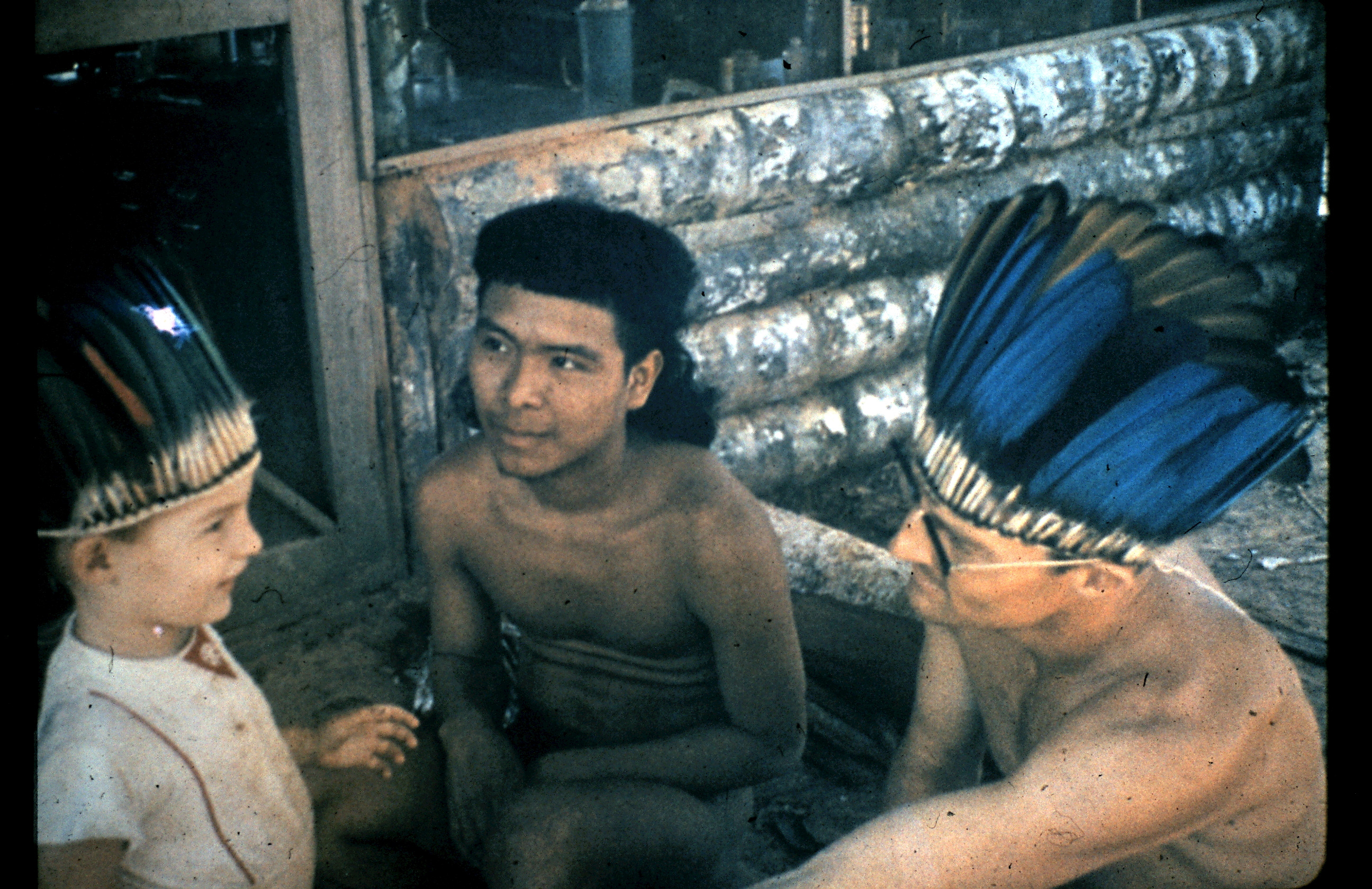
Like the local monkeys or the Tarzan character, James and his playmates would swing from tree to tree, grabbing handfuls of branches and then hoisting themselves up on larger limbs. “We took stupid changes, but we never fell.”
James attended residential school in central Bolivia, returning home for a month at Christmas and for three months in the summer.
“Most of my time at home was spent working – mowing the airstrip, digging and fixing things. I didn’t want to do that.”
So, he decided to move back the Montana where his older sister lived.
“I had my ticket and $400. I’d always been interested in cars. I thought I’d be a motor mechanic.”
He ended up working in the North Dakota oil fields. But he was restless.
Deciding that college was a good option, but lacking the tuition money, he enlisted in the army which offered a gateway to college. Being a Green Beret was a logical step.
“I had the jungle training, they would pay for college, and they paid me to jump out of airplanes, which I really liked.”
By the time James was in his mid-20s he had completed some college, jumped from many airplanes and was still restless. He switched to the USAF and became a C130 load master and completed college with majors in chemistry and biology and a minor in geology. Civilian life called and James went to work for Rolm & Haas as an assistant scientist for the next five years. During that time he completed his masters degree in in organic chemistry, interviewed with Merck, and spent the next 21 years as a lab supervisor at their West Point, Pa. location. He now works for Merck from his home in the Village of Pine Ridge writing medical research quality assurance procedures.
James has also pursued his alternate life in the military with the Reserves and the National Guard. He has served in every major conflict since Desert Storm including time in Bosnia and the Horn of Africa.
His other passions include mastering sports challenges. His wife, Ki-Ki, says that James is a “natural athlete” and aims to master every he tries. She also admits that he just might be an adrenaline junkie.
He’s working on his mastery of pickleball, golf and flow-riding – riding artificial waves – which he practices when on Royal Caribbean cruises. James is also a hang glider pilot, although there are not many venues for the sport in Florida.
James says that his ultimate ambition is to “Retire and play all day.” Ki-Ki plans to keep working for the foreseeable future. “Maybe I’ll become a kept man,” he laughs.
John W Prince is a writer and Villages resident. Learn more at www.GoMyStory.com.