

I would like to comment and add on to Dr. Gabe Mirkin’s piece, “Green Bay great Paul Hornung suffered head trauma and later battled dementia” (found at https://www.villages-news.com/2020/11/17/green-bay-great-paul-hornung-suffered-head-trauma-and-later-battled-dementia/ ) that was published on Nov. 17. I can see that Dr. Mirkin published his very thorough and elaborate piece of writing on his own website with the headline of “Paul Hornung: Another Football Great Felled by Dementia.”
What I want to add to his piece of writing is to make sure that people do not take away improper conclusions after reading his article. In the past decade, there has been a major rise in the media’s coverage of head injuries in football players. This has served to be a double-edged sword. On the positive side, this has pushed the NFL and the NCAA to respond with rules changes that are beneficial for the safety of their players. It also has led to an increase in research being done on the issue. However, on the other hand, a large part of the general public has received an overdramatized and overexaggerated idea of the risk of head injuries in the game of football. This has caused a drop in the number of athletes participating in football across the nation.
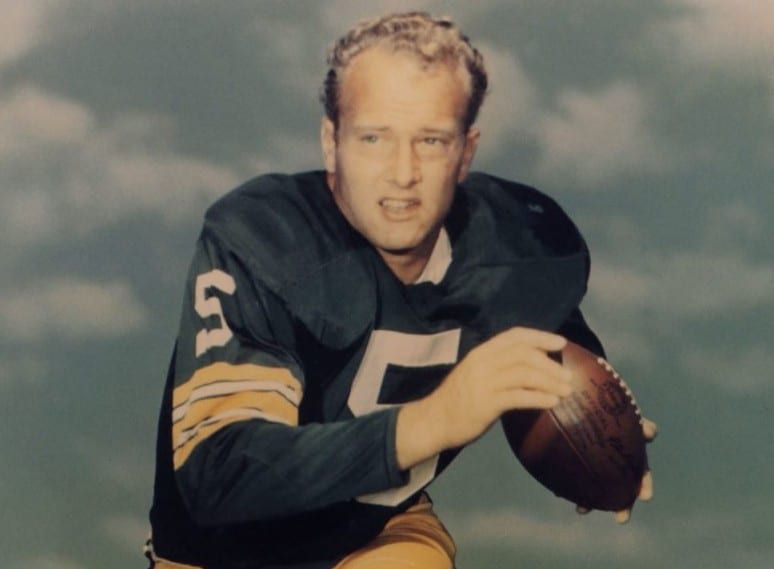
I am concerned for the parents of kids who have to decide whether or not to let their children, whom they love and only want the best for, should be playing tackle football. There are two things that I want to make sure readers of these news pieces avoid. The first is that a parent may see articles about former NFL players with health issues in the media and then come to the wrong conclusion that if their kid plays football, football will cause the same health issues in their children. It is true that football is still a very physical game by nature and the risk for head injuries is still present. However to compare the game of football of the past to how it is played today does not make sense. By looking up picture online it can easily be seen that the helmets and other equipment that late Paul Hornung wore in the 1950s and 1960s are completely different and way below the standards of the equipment used today. Since 2002 the NFL has made 50 rule changes focused on emphasizing player safety (https://www.playsmartplaysafe.com/newsroom/videos/nfl-health-safety-related-rules-changes-since-2002/#:~:text=Since%202002%20alone%2C%20the%20NFL,reduce%20the%20risk%20of%20injuries). It is important to keep in mind that the studies that come out about dangers of playing football are all really using data from half a century ago in their research. Also, safer techniques for tackling and blocking are becoming popular. All levels of football these days are safer and more controlled than they were in the past. The second potential effect on the reader that I want to avoid is that the risk that is involved with football would overshadow and distract individuals from seeing all of the positive benefits associated with football. It is true that there is an inherent risk of injury associated with playing football, but this can be said about every sport and with almost anything in life. There are numerous benefits to participating in the sport of football, starting off with it being a great, fun way for people to get exercise. Football can keep people active and help improve motor skills, coordination, increase speed, increase strength, and improve bodily awareness among other things. Both physical and mentally toughness is learned through football. Football can be a way for some to improve their life through scholarships and even possibly making a career out of it. But even if it does not change an individual’s life that drastically, it still has unrivaled socioemotional benefits among all high school sports. (https://healthysportindex.com/report/psychosocial-report/ ).
The bonds between friends as well as the life-lessons learned through playing football can outlast injuries that the sport may cause. News pieces in the media that talk of football players of the past who no longer have the health that they once did should not derail young people from becoming interested in the current game of football and should not stop them from participating in this great game. There needs to be a change in the public’s perceived opinion of the game of football, and education is the primary step that needs to take place right now. People need to know about the changes that have happened already and the ongoing research that is being done to make the game of football safer. If the proper public education that I am proposing is successful, then the numbers of athletes participating in the sport of football will rise in the future years.
Andrew Behm plays linebacker at Ellsworth Community College in Iowa Falls, Iowa.