
In our June 14th article there was a discussion of personal lightning safety and preparedness for both the outdoor and indoor risk. In our June 21st article the discussion centered on the more frequent but less severe INDIRECT lightning strikes that can result in a surge capable of damaging your appliances and electronics. This article will address the less frequent but potentially more severe DIRECT lightning strike to your home.
What is the chance that my home will experience a direct lightning strike?
A direct lightning strike does not happen very often, but it can cause substantial structural damage with ensuing fire. See June 21st Villages-News.com, “Firefighters Declare ‘Miracle’ After Villager Escapes Injury in Lightning Strike.”
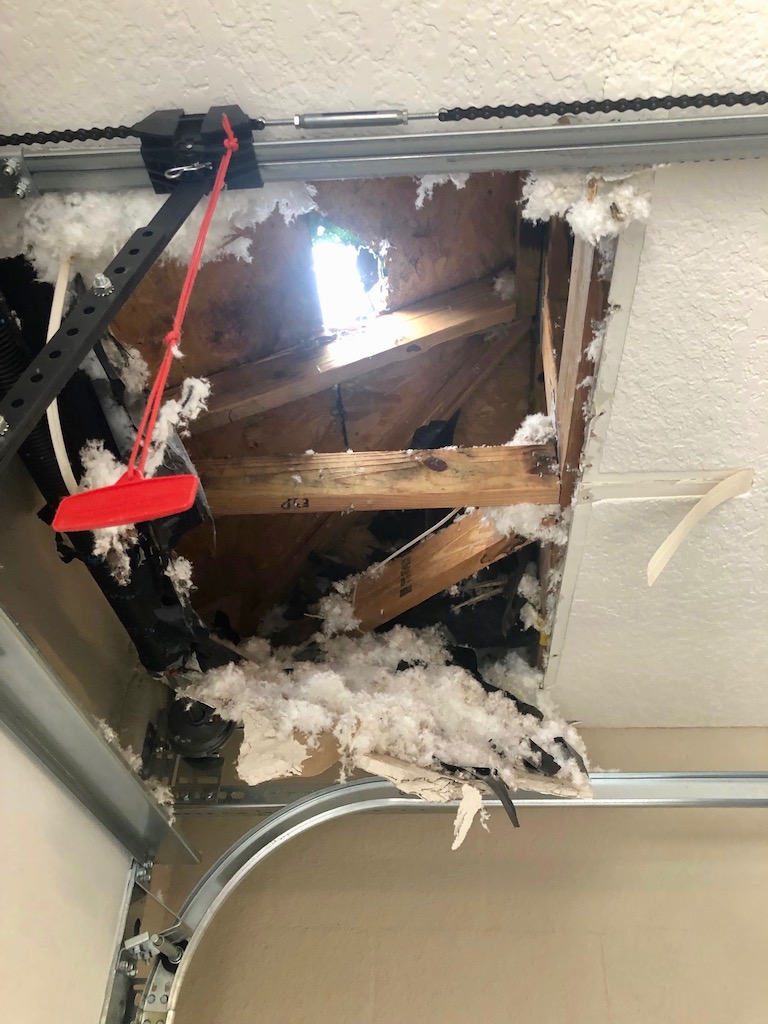
The chance that your home will be struck is low, but it is not zero and is greater than winning the lottery.
In the 2020 lightning season one home experienced a direct strike with ensuing fire. Firefighters were successful in containing the fire to the area of origin. However, the home was uninhabitable due collateral damage. None of the homes that have experienced a direct strike and fire were protected by a lightning protection system (LPS) commonly called lightning rods.
Last year firefighters also responded to 19 homes that experienced lightning strikes with either minor fires, electronics damage, or holes in the roof.
What can be done to mitigate a direct lightning strike to your home?
Consider providing an LPS that has been protecting people and property world-wide for over 260 years. They have been the subject of numerous studies over the decades including rocket-to-wire triggered lightning research at the University of Florida.
You may have noted that The Villages has installed LPS on every pumping station, all sewage treatment plants, fire department headquarters including the adjacent emergency operations center, and nearly every building at Sumter Landing. Hospitals and educational facilities are required to be protected by the building code. Most large churches and hotels in the area are also protected as is The Sharon L. Morse Performing Arts Center and the Savannah Center among many others.
Only you the homeowner can decide if you need an LPS. One way to think about it is assessing your own tolerance for risk. For example, if you have a high tolerance for risk you choose to do nothing, the odds are with you, the money stays in your pocket, and if the worst does happen you rely on your homeowner’s insurance policy.
On the other hand, if you have a low tolerance for risk and wish to seek peace of mind to avoid the loss of your home, possessions, pets, vehicles, and the stress of the entire ordeal to reconstruct and live in temporary quarters you may wish to consider a LPS.
Contrary to popular myth an LPS does not attract lightning but simply gives it a safe path to ground.
Over a dozen Villagers, with an LPS, have reported that their home was struck by lightning and in no case was there any fire or structural damage.
CAUTION! If you do choose to install a LPS, be advised that there is no local, state, or federal oversight for residential properties and this can be a BUYER BEWARE marketplace. Many lightning protection system installers do police themselves by becoming listed by Underwriters Laboratories and employing installers who have passed a minimum of four exams to qualify as a Master Installer by the Lightning Protection Institute. Do not be misled by a prospective installer telling you that all equipment used is UL listed. Although this may be true it does not mean that the system to be installed will meet nationally recognized standards. Not all firms found in the Yellow Pages will meet these criteria nor will firms conducting door-to-door solicitation.
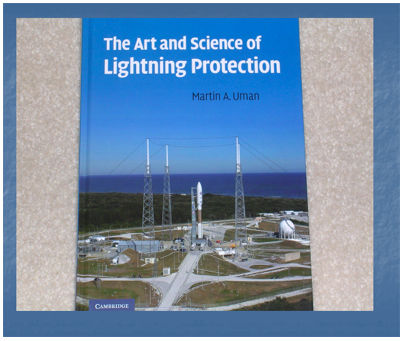
To learn the facts about lightning, see University of Florida’s Dr. Martin Uman’s book which can be borrowed from The Villages Belvedere Library.
Villager Len Hathaway is recognized expert on the topic of lightning.