
New Yorkers in The Villages have one little phrase for those who think the Coronavirus will get the best of the Big Apple – “Fuggedaboutit.”
“We’re from New York. We know what it means to go through tough times, but you can count on one thing: we always come back,” Suzie Casta said. “New York will beat this virus.”
The popular Villages singer grew up in Brooklyn and lived in the New York metro area until coming here 12 years ago.
Nearly 7,000 people have died from the virus in New York City thus far and over 103,000 cases have been reported.
Despite the tragic numbers, transplanted New Yorkers are keeping the faith.
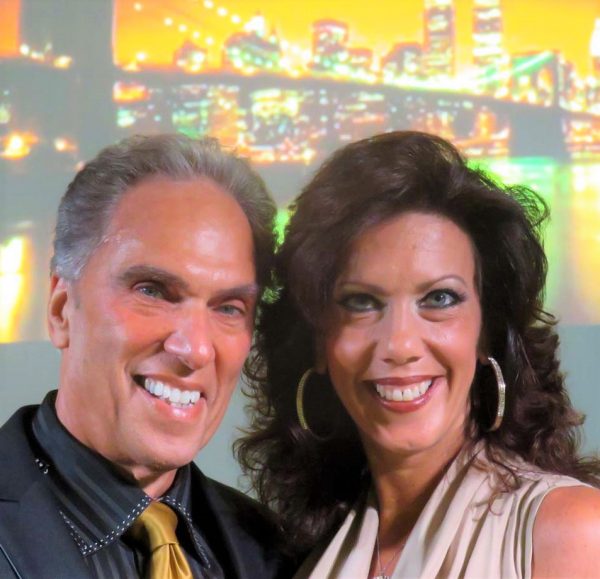
“That’s what New York is all about, keep on keeping on,” Casta said.
Until COVID-19 came along, Casta figured the terrorist attacks on 9/11 would be the worst thing that could happen.
“I’ll never forget 9/11; no New Yorker will ever forget that day,” Casta said. “But this is different. After 9/11, everybody in New York joined together to help each other. Now, we can’t get together, we have to stay home and use social distancing to stay safe.
“That’s what is so frustrating. You want to go there and be with people you love, but you can’t.”
Like most native New Yorkers, Casta has friends and relatives who have had the virus.
“I know people who have had it and they are OK so far,” she said. “You always worry about your family, but New Yorkers are like one big family.”
Suzie’s father Sal, like his daughter, is a singer in local restaurants back in New York.
“He’s still singing, even though the restaurants have closed,” said Casta, who performs on her Facebook page every Wednesday and Saturday at 2:30 p.m. Her father doesn’t use computer technology.
“He does what he calls, ‘Sal-casting’” Casta said. “People call him on the phone and he sings to them.”
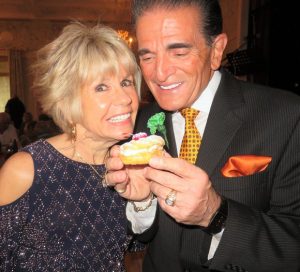
New Yorkers always figure a way to get by. Villager Jerry Vicenti is from Staten Island and his wife, Annette, grew up in Manhattan.
“I believe that where you’re from will always be a part of your soul and your DNA,” said Vicenti, who with his wife heads the Paisans Club in The Villages.
“My father came to New York in 1917 and he worked as an iceman. We lived in a blue-collar, close-knit, working-class neighborhood. New York will always be a part of me and that’s why it hurts so much now to see this unbelievable sad time in New York.”
New Yorkers have an “attitude,” to help get through it, Vicenti believes.
“In general, people in New York are very aggressive,” he said. “They can take a lot and they will fight back.”
Annette Vicenti has fond of memories of growing up on Manhattan’s Lower East Side. She remembers riding the subway to Coney Island, eating hot dogs at Nathan’s and sitting outside at night on the apartment building stoop.
“I think of those wonderful memories and a big part of me is sad to think what is happening in New York now,” Annette said. “But New Yorkers are not wimps; you have to put up with a lot of stuff just living in New York. They will beat this.”
Just like New York came back after 9/11.
“I remember in the days afterwards, going to work, coming home and crying. It was hard to get back to normal,” she said. “It will be that way now, but at some point, New York will move on.”
The terrorist attacks required a community response; the Coronavirus is somewhat different, Annette believes.
“This is about an individual response. New Yorkers have to stay home and keep safe. I think they will,” she said.
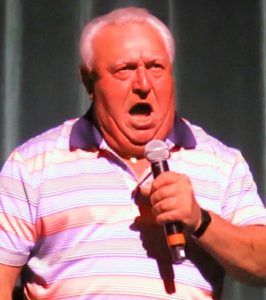
Larry Rivellise is best known as an opera singer in The Villages but spent decades working as a plumber in New York.
“I used to drive my van through Manhattan all the time; the traffic was crazy and drivers wouldn’t give you a break,” the Long Island native said. He believes that population density contributed to the New York City virus outbreak.
“There are so many people, everybody is squished tight. You get used to it and you have to deal with it or you will get run over, on the streets or the sidewalks,” he said. “I remember driving by the subway exits and seeing thousands of people coming out at the same time. It was like a thousand ants coming out of the ground all at once.”
Rivellise has children living in the New York City area.
“It’s tough on everybody,” he said. “People are being furloughed from their jobs, but the main thing is for them to stay healthy. So far, so good.”
New York is far more than just a place to live. Rivellise noted the essence of the city can be found in arts, culture and sports.
“There is so much in New York – opera, Broadway, museums and baseball,” he said. “I love Manhattan. There’s no place like it, and that’s why it has to come back. I believe it will.”
For sports fans, a New York summer without baseball only makes the nightmare more real. The Mets and Yankees made the long, hot days more bearable, said diehard Yankee fan Jim Cantalupo.
“Baseball always meant a lot to me but now I’m 68 and have come to realize there are things more important than baseball,” said Cantalupo, who is from Queens. “I miss the game, but I don’t want to see 40,000 people in a stadium with this virus going on.”
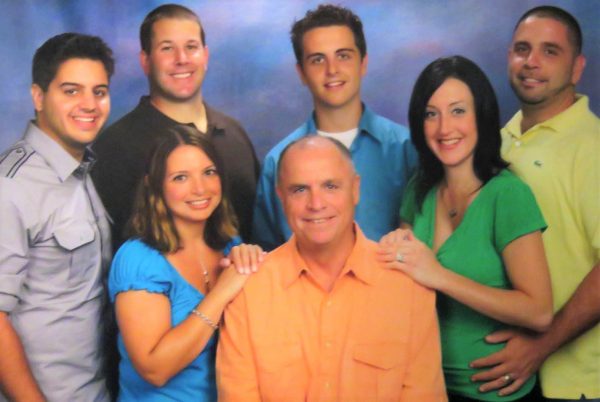
Cantalupo, who worked as an accountant on Wall Street, has children living on Long Island.
“It’s scary and I worry about them all the time,” he said. “I worry if my sons or daughter gets sick, who will take care of the grandkids. That hits me hard, because I can’t get back there to be with them.”
Cantalupo describes New Yorkers as “tough but stubborn. Sometimes they don’t listen and maybe that’s what happened early on with this virus.
“They are doing better now and they will get through this,” he said. “But I think it will take two or three years before things get back to normal in New York.”
So does Villager Stu Sachs.
“New Yorkers are strong people but the death toll from this is astronomical,” said the leader of The Villages Nostalgia Club. He added the hospital he was born in – now called Brookdale University Hospital in Brooklyn – is an emergency center for virus patients.
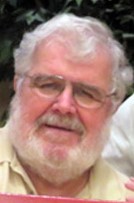
“I left a long time ago, but New York is still a part of me,” Sachs said. “Being a New Yorker means you have a sense of belonging. It’s an attitude and way of life. New Yorkers are tough but they care about each other.”
For Sachs, a New York Mets fan, there is minor consolation amid the turmoil.
“At least this year I won’t have to cry about the Mets losing,” he said.
Unlike the Mets, Sachs believes New York will triumph in the end. “It’s a hard place to live, but we will survive,” he said.
New Yorkers always do.