
13-foot alligator removed from swimming area
A Marion County sheriff’s deputy responded Saturday to a call about a 13-foot alligator that had taken up residence in the designated swimming zone at Silver Glenn Springs Recreation Area located at 5271 North Highway 19.
The deputy called a few trappers for backup and together, they brought the alligator ashore.

Florida Fish and Wildlife Conservation Commission contracted trappers took the alligator into their custody. The swimming area has since reopened to the public.
Alligator complaints on the rise
In Florida, the growing number of people living and recreating near water has led to a steady rise in the number of alligator-related complaints.
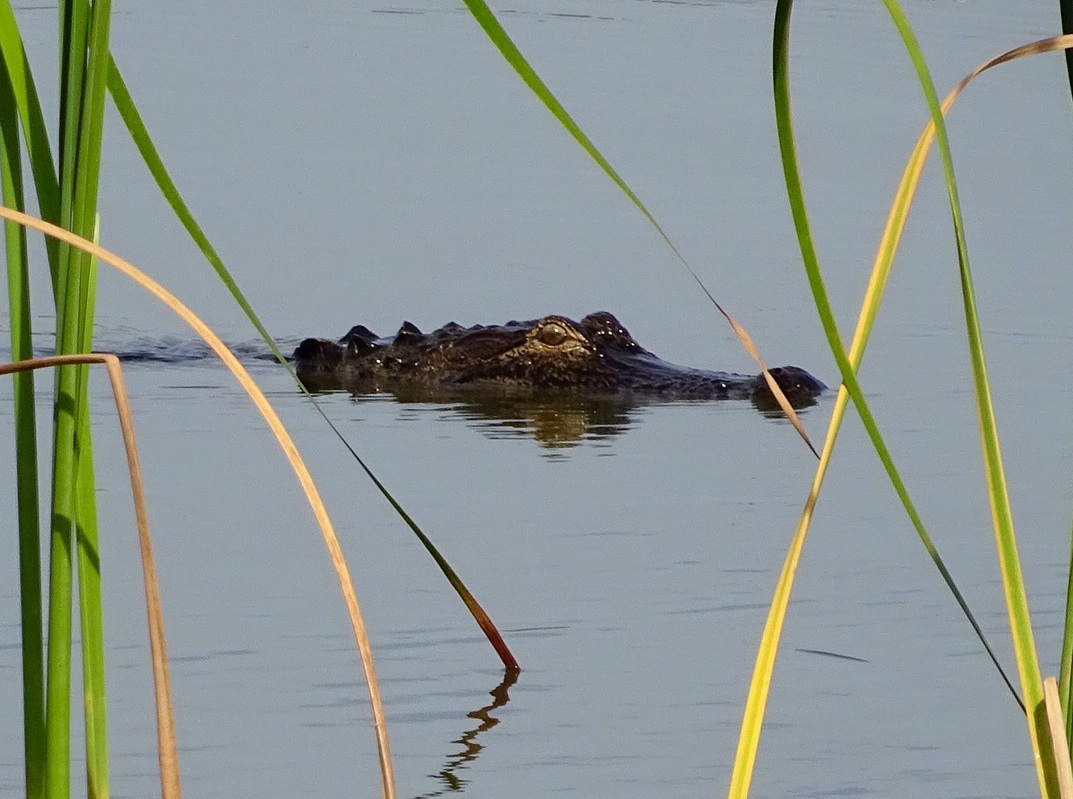

The majority of these complaints relate to alligators being where they simply aren’t wanted. Because of these complaints, the Florida Fish and Wildlife Conservation Commission’s Statewide Nuisance Alligator Program permits the killing of approximately 7,000 nuisance alligators each year. Using this approach, and through increased public awareness, the rate of alligator bites on people has remained constant despite the increased potential for alligator-human interactions as Florida’s human population has grown. Alligators are an important part of Florida’s landscape and play a valuable role in the ecology of our state’s wetlands. Alligators are predators and help keep other aquatic animal populations in balance.

Although most Floridians understand that we have alligators living in our state, the potential for conflict exists. Because of their predatory nature, alligators may target pets and livestock as prey. Unfortunately, people also are occasionally bitten. Since 1948, Florida has averaged about five unprovoked bites per year. During that period, a little more than 300 unprovoked bites to people have been documented in Florida, with 22 resulting in deaths.