
A Villages official is calling for an alligator policy after a trapper showed up at a pond to capture and kill a local alligator.
Community Development District 2 Supervisor Bill Schikora said a commercial trapper was trying to capture the alligator on Dec. 29 at Lago Santo Domingo in the Village of Santo Domingo. He said the trapper showed up after an individual apparently contacted Florida’s Nuisance Alligator Hotline.
“As far as I know, there had been no complaints filed about this alligator acting aggressively,” Schikora said. “The appropriate and fully warranted elimination of alligators from the pond has come up before and remains a concern for several residents.”
He wants to discuss the topic when the CDD 2 Board of Supervisors meets at 9:30 a.m. Friday at the District Office at Lake Sumter Landing.
“I recommend to our board that we ask staff to create and promulgate a clearly stated policy regarding this matter,” he said.
The Statewide Nuisance Alligator Program is administered by the Florida Fish and Wildlife Conservation Commission’s Division of Hunting and Game Management. Its mission is to address complaints concerning alligators.

When someone concerned about an alligator calls the Nuisance Alligator Hotline, FWC will dispatch a contracted nuisance alligator trapper. Generally, an alligator may be deemed a nuisance if it is at least four feet in length and the caller believes it poses a threat to people, pets or property.
Complainants must be able to grant legal access to the property on which the alligator is located. FWC does not permit the removal of nuisance alligators from private or publicly managed property without first obtaining permission from the property owner or management authority.
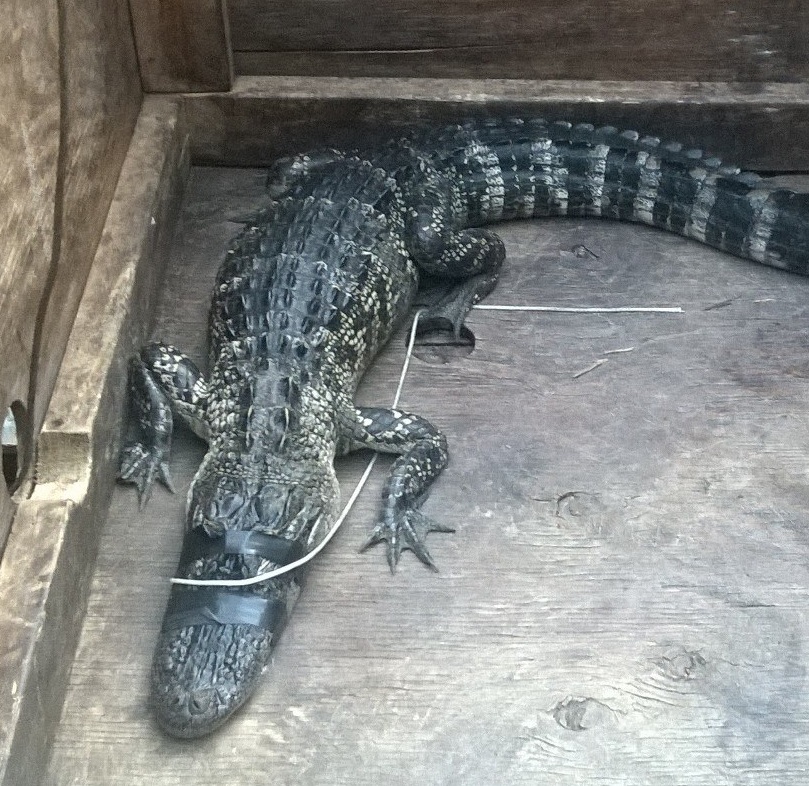
In 2017, SNAP received 13,210 nuisance alligator complaints, resulting in the removal of 8,455 nuisance alligators.
There is a myth that nuisance alligators will be “relocated.” That is not the case.

Relocated alligators often try to return to their capture site. They can create problems for people or other alligators along the way. If an alligator successfully returns, capturing it again would be necessary and likely more difficult the second time, according to FWC.
To avoid creating a problem at the release site, nuisance alligators would need to be relocated to remote areas where they would not encounter people. These remote areas already have healthy alligator populations, and the ones that already live there have established social structures. The introduction of a new alligator to these areas would likely cause fighting, possibly resulting in the death of a resident alligator or the introduced alligator.
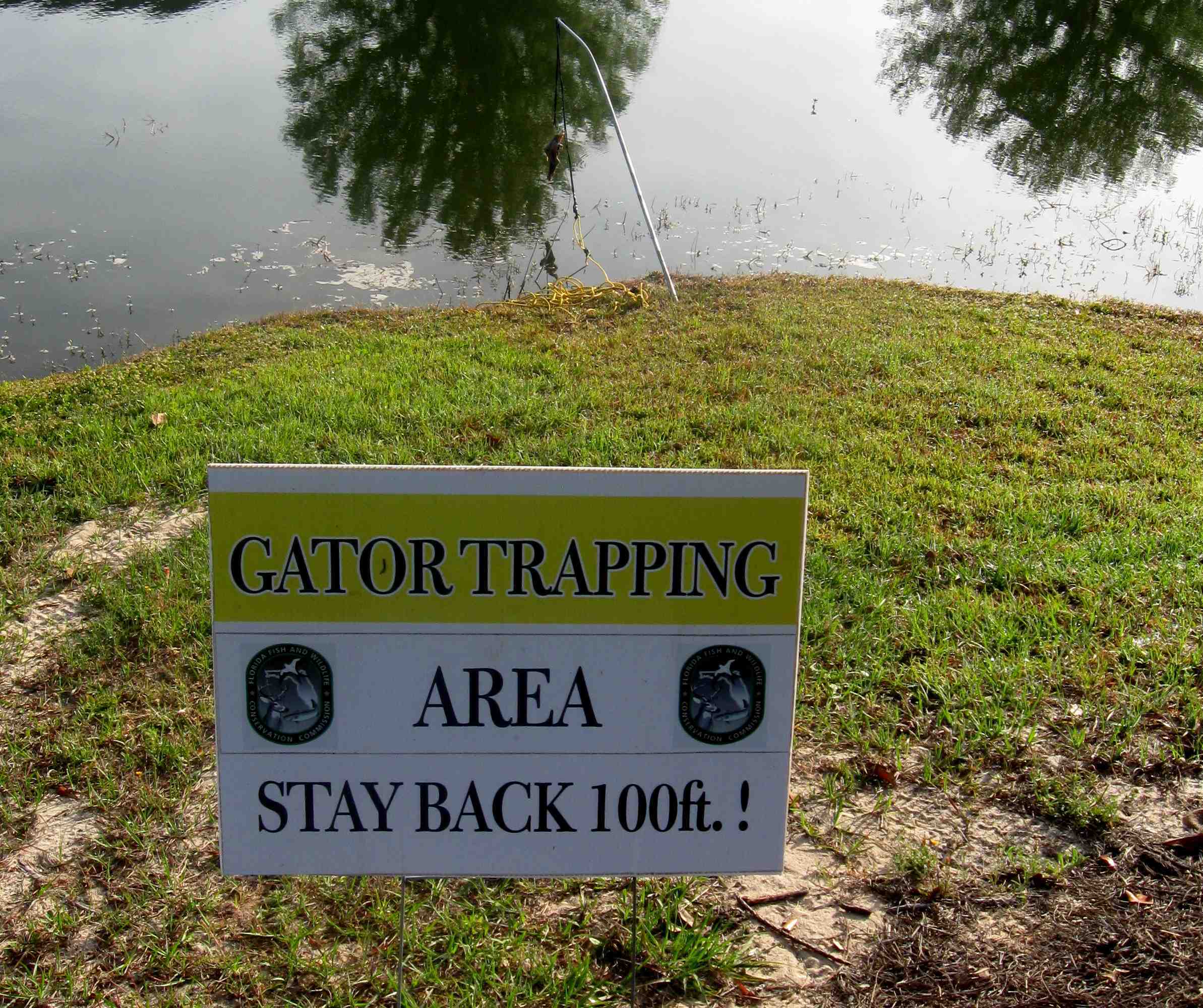
Instead, nuisance alligators that are captured are killed and the trappers harvest the hide and meat. Most trappers have existing relationships with restaurants.
There are about 1.3 million alligators in Florida.