
In the end, it took a moral epiphany – with some help from Carol Burnett – for Jimmy McGill to find his conscience and lose Saul Goodman.
I didn’t know what to expect for the finale of “Better Call Saul,” Monday after six seasons on AMC television.
Would the screen go black like it did for Tony Soprano in the final episode of the “The Sopranos”?
Would Saul go out with a bang and mow down his enemies like Walter White did in “Breaking Bad”?
Nope.
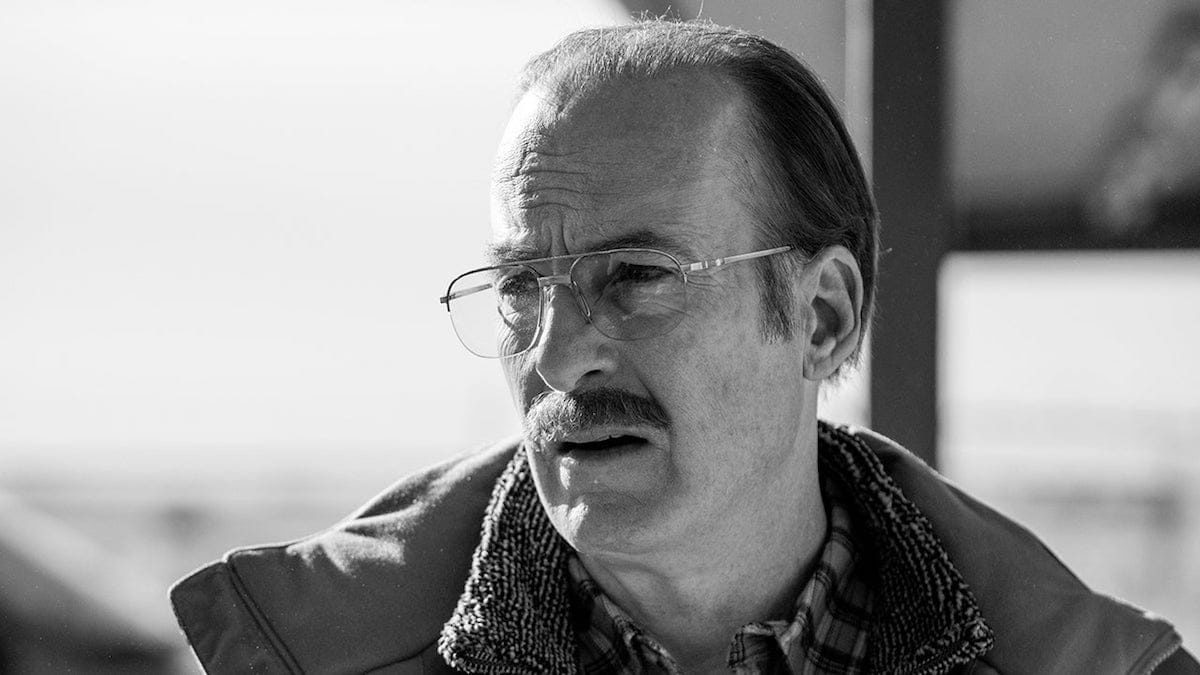
Instead, we witnessed the rare moral conversion of a television character, Saul Goodman — brilliantly portrayed by Bob Odenkirk. Until the finale, Saul – whose real series name was Jimmy McGill – was known as a lying hustler, deeply involved in everything from murder to drug dealing. He even managed to corrupt his idealistic lawyer wife, Kim Wexler, played with equal brilliance by Rhea Seehorn.
Saul Goodman earned the reputation as a shyster lawyer, shilling for poor low-lifes and drug dealers who were rich high-lifes.
He thought he left all that behind when he went into hiding in Omaha, working in a mall as Gene Takavic, a manager at Cinnabon. Everything was fine until he got the urge to pull more crimes and recruited Jeff, a troubled cab driver who happened to be the son of Marion, played by Carol Burnett. She came out of retirement at 89 to play the role.
Burnett, in a wonderfully understated performance that should earn her an Emmy Award nomination, eventually recognizes Saul and calls the cops. “I hope they catch him,” she says in the final episode.

Marion found out about Saul online and watched some of his “Better Call Saul” ubiquitous TV commercials he made in Albuquerque, New Mexico.
It was there Saul built his legal business and fell in love with Kim Wexler, who sacrificed her ideals and was driven to despair by life with Saul. Eventually, she left and they divorced.
“Better Call Saul” has always been a show that defied convention. The writing, acting, music and production were consistently unique and compelling.
And so it was in the finale when Saul Goodman defiantly went against type and discovered his inner Jimmy McGill.
After making a deal for a light prison sentence with the Feds, Saul confessed his sins in front of a sentencing judge, with the people he hurt and his ex-wife Kim looking on. The man called Saul literally came clean after being arrested by police while hiding in a garbage dumpster.
“Sit down, Mr. Goodman,” the judge bellowed, near the end of the episode. Don’t call me Saul because “I’m Jimmy McGill,” he counters.
After his courtroom confession, Jimmy winds up with an 86-year sentence. “But with good behavior, who knows,” he tells Kim. She returns to offer support in a prison visiting room, where they share a cigarette and longing glances.
The last scene showed Kim walking out of the prison gazing back at Jimmy, standing under a chain-link fence watching her walk away.
The finale was a powerful, emotional, nostalgic and fitting conclusion to the series. The last show was mostly filmed in black and white.
“Better Call Saul” was a spin-off to “Breaking Bad,” hailed as one of the best series in television history. Both shows were created by Vince Gilligan and Peter Gould.
Characters from “Breaking Bad” appeared throughout “Better Call Saul.” Many were in the final episode in flashbacks, including Bryan Cranston as Walter White. Also appearing were Jonathan Banks (Mike), Patrick Fabian, (Howard), Michael McKean, (Chuck).
When the show ended, most of the cast members came back in a short, filmed farewell. They all said how grateful it was to be a part of “Better Call Saul” and thanked the fans for making it possible. Giancarlo Esposito, who played Gus, said what a privilege it was to be part of such “profound entertainment.”
Carol Burnett, in a statement to AMC, put it this way: “All good things have to come to an end, and I think it’s always good to end when you’re on top.”
Bob Odenkirk, he of the split personalities known as Jimmy/Saul/Mike, summed it up best when he spoke out of character and as himself, saying to viewers: “I hope we made you happy.”
Tony Violanti covers arts and music for Villages-News.com. He was inducted into the Buffalo NY Music Hall of Fame as a music journalist.